
Digital Recordings
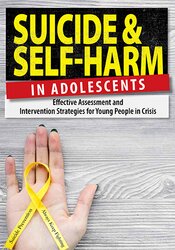
Suicide and Self-Harm in Our Youth: Assessment Tools and Treatment Approaches that Help Clients Heal

Details
Product Details
- Section:
- Trauma - Children and young people
- Speaker:
- Tony L. Sheppard, PsyD, CGP, ABPP, AGPA-F
- Duration:
- 6 Hours 11 Minutes
- Media Type:
- Digital Recordings
CPD
Objectives
- Employ clinical screening and assessment tools to help you determine which clients present the highest risk for suicide.
- Apply motivational techniques that engage resistant suicidal and self-harming teens in the therapeutic process.
- Develop strategies for incorporating schools and peer groups into your treatment plans for suicidal and self-harming clients, and communicate how this multi-systemic approach can improve treatment outcomes.
- Articulate how alternative coping strategies can be introduced in-session to help self injuring clients manage triggering situations without engaging in self-harm.
- Communicate how clinicians can foster support among family members with techniques that promote problem solving and communication, and help young people feel in control and part of the therapeutic process.
- Utilize therapeutic interventions from Dialectical Behavior Therapy to improve your clients’ coping skills and interpersonal effectiveness.
Outline
- Non-Suicidal Self Injury (NSSI) and Suicide
- Primary motivations and neuropsychology
- NSSI and trauma
- Suicide and Suicidal Ideation – symptom or disease
- Is youth suicide contagious?
- Means and means restriction
- Relationship between NSSI and suicide
- Assessment is the Key to Effective Treatment
- A matter of trust – clinical implications of research on confidentiality of minors with mental health concerns
- Differential diagnosis
- Clinical screening and formal assessment tools for NSSI
- Recency and frequency
- Severity
- Triggers
- Who’s aware
- Suicide risk assessment
- SAFE-T
- PATH WARM
- Ideation, plan, means, intent
- Level of risk
- Intervention
- Use the Stages of Change/Motivational Interviewing Model in Treatment
- Assess readiness
- Gauge interventions
- Motivational techniques that engage teens and adolescents in their treatment
- Sustain and maintain recovery
- Case example
- Therapeutic Interventions Drawn from Interpersonal Neurobiology, CBT, and DBT
- Develop distraction strategies
- Build coping skills
- Enhance self-esteem and self-acceptance
- Improve relationships and relational skills
- Address trauma (Big T and Little T)
- Develop problem solving skills
- The role of adjunctive therapies
- Replacement Behaviors for NSSI
- Use of alternative harm behaviors
- Simulation strategies
- Proceed with caution
- Case example
- Employ a Multi-Systemic Treatment Approach
- Working with parents
- Educate and consult
- No one understands me - Validation in the family context
- The issue of control
- Contract to curb NSSI and Suicidal Ideation Monitoring
- The role of the school
- Who needs to know/how much?
- Reporting to parents
- Build “Trusted Adult” support networks
- The role of peers
- The impact of Veteran suicide on family dynamics and connectedness
- Working with parents
- Social Media, NSSI, and Suicide: The Harm and The Help
- Cyberbullicide - The impact of online bullying
- Video sharing, social media and self-injury
- Support and connection through social media, apps, and other technologies
- 5 tips for assessing online resources
- Online tools you can use
Please Note: PESI is not affiliated or associated with Marsha M. Linehan, PhD, ABPP, or her organizations.
Please wait ...